

Why Every Ecommerce Brand Needs a Studio Setup (Even a Basic One)
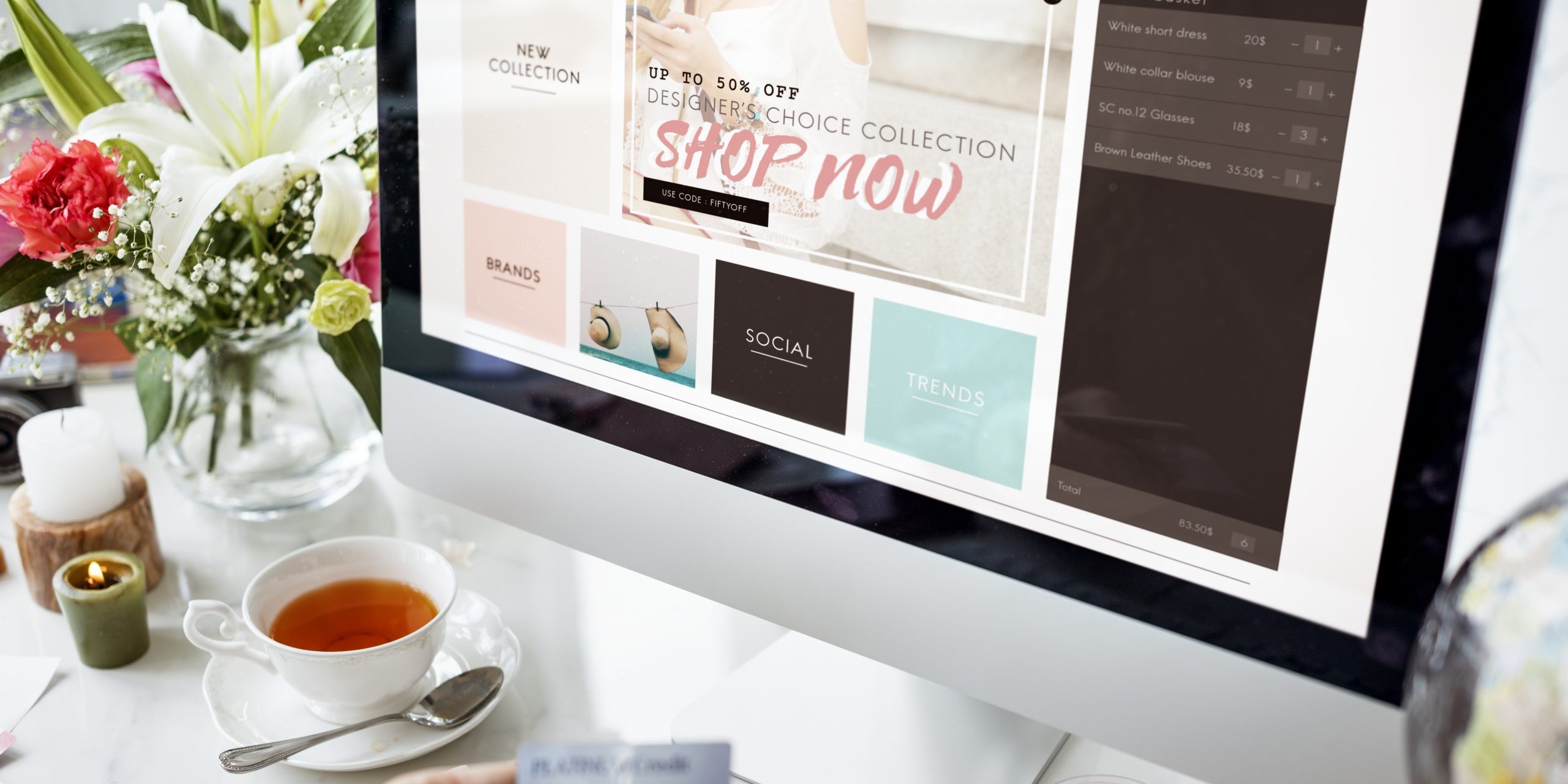
It used to be that building an ecommerce brand meant designing packaging, finding a 3PL, and setting up a Shopify store. Today? That’s just the backend. What actually drives sales—the front end—is content. And content starts with a studio.
Not a massive, 8-light setup with a RED camera crew. Just a small, intentional space where you can consistently film the kind of videos that move product: UGC-style reels, product demos, unboxings, founder messages, and behind-the-scenes moments.
The brands winning right now don’t just “create content”—they produce at scale. They treat video the same way they treat inventory: essential, repeatable, and worth investing in.
Here’s why building your own studio setup—no matter how simple—is one of the smartest moves an ecommerce brand can make in 2025.
Your content is your store. And your store never sleeps.
Most people won’t walk into a retail space to discover your product—they’ll see it on their feed. Which means your videos, photos, and stories are doing the heavy lifting your in-store team used to do.
If your last video was from a photoshoot 8 months ago, and your newest post is a flat lay, you’re not in the game. You’re fading into the background while competitors post 4x/week with high-converting UGC and creator clips.
A studio setup isn’t about going “pro.” It’s about going consistent. It gives you the power to create whenever you want—without waiting on freelancers, agency timelines, or seasonal shoots.
What a simple, effective studio looks like
You don’t need a 1,000 sq ft warehouse to make content that converts. You need:
- Good lighting: A window with indirect sunlight + a $40 ring light is enough to start
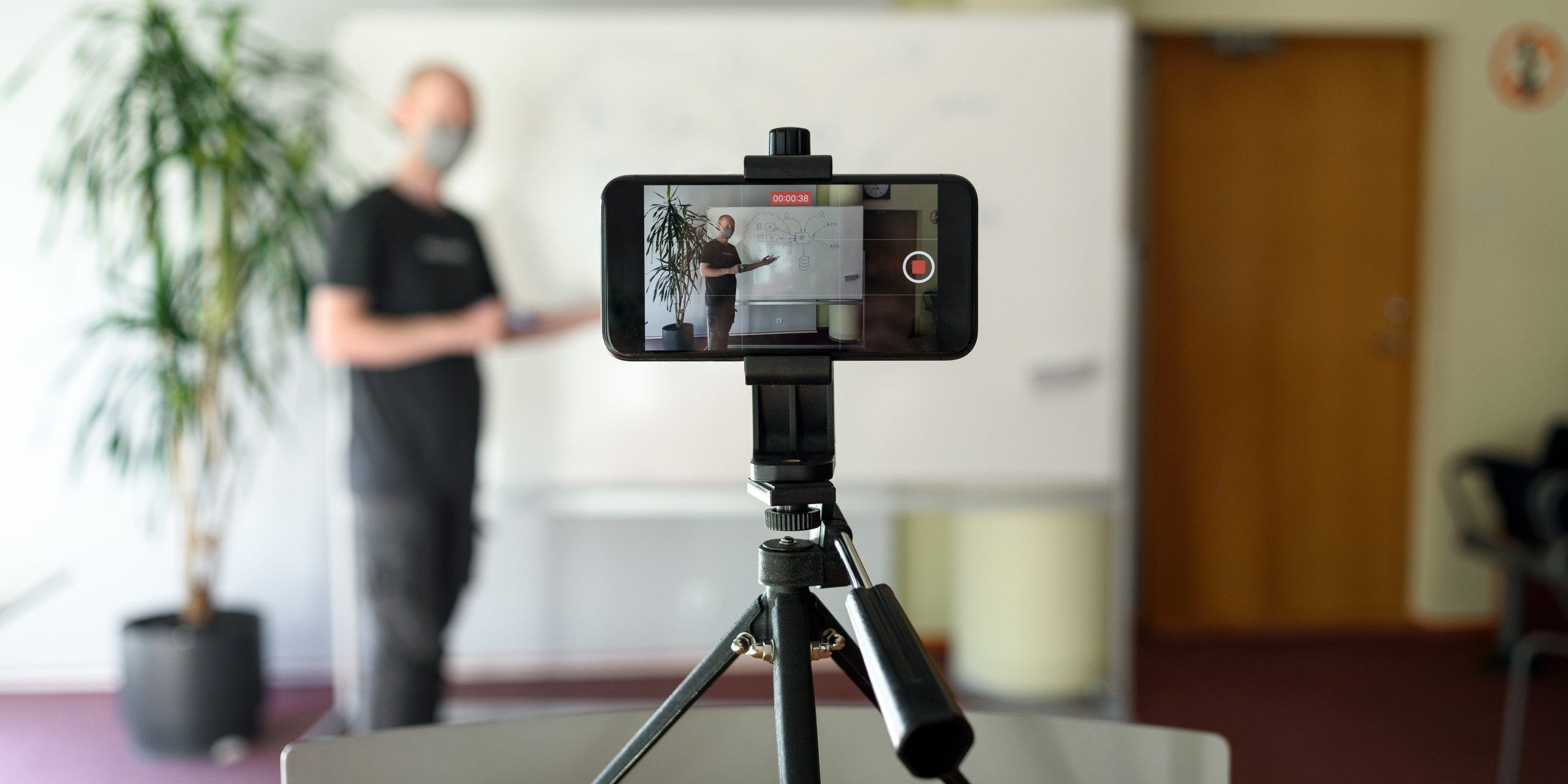
- Phone tripod: Hands-free = more freedom = better shots
- Backdrops: Neutral walls, colored paper rolls, or even wood tables give variety
- Mic or lavalier: For any talking head content, crisp audio matters
- Space to move: A 5×5 area is enough for most solo or product content
Add a rolling cart for props, some plants for texture, and boom—you’ve got a set you can reset in 10 minutes.
The key isn’t how big or expensive your setup is. It’s how repeatable it is.
5 types of videos you should be filming in your own space
Here’s what to prioritize once your studio’s up:
- Product demos
Show the texture, motion, and real-life use of your product. Think pouring, mixing, applying, opening—whatever makes it tangible. - UGC-style content
Even if it’s you or your team, film content as if it were from a real customer. Natural light, informal tone, no scripts. “I’ve been using this for 3 weeks…” style hits every time. - Founder/founder team clips
Get on camera. Talk to your customers. Launches, restocks, BTS—it doesn’t need to be polished, just real. - FAQs turned into short-form
Turn your most common support questions into Instagram Reels or TikToks. “What makes this different?” → show them. - Reviews brought to life
Take real customer reviews and voice them over product footage. Or react to them on camera. This builds trust faster than text alone.
This kind of content builds credibility, drives conversions, and feeds all your paid + organic channels.
If you’re not producing content, you’re playing defense
The truth is, in today’s ecommerce landscape, content isn’t a nice-to-have—it’s a growth lever. And if you’re always waiting on a production partner or creator campaign, you’re operating on a delay.
Owning your own production flow gives you:
- Speed: Launch same-day when trends or sales shift
- Agility: Test new angles, formats, or hooks fast
- Volume: More pieces of content = more chances to win
- Control: You don’t have to explain your product—you live it
You don’t need to go full production studio to compete. You just need a setup that removes friction from creating.
Build the space now—thank yourself every week after
A simple, dedicated studio setup means you never have to ask, “Where do we shoot this?” again. It becomes part of your process. Film every Monday. Shoot batch content once a month. Bring new products in for test videos before launch.
This isn’t about becoming a production house. It’s about treating content like inventory: always stocked, always fresh, always moving.
Because in 2025, the brands that show up on video are the brands that stay top of mind—and top of cart.