

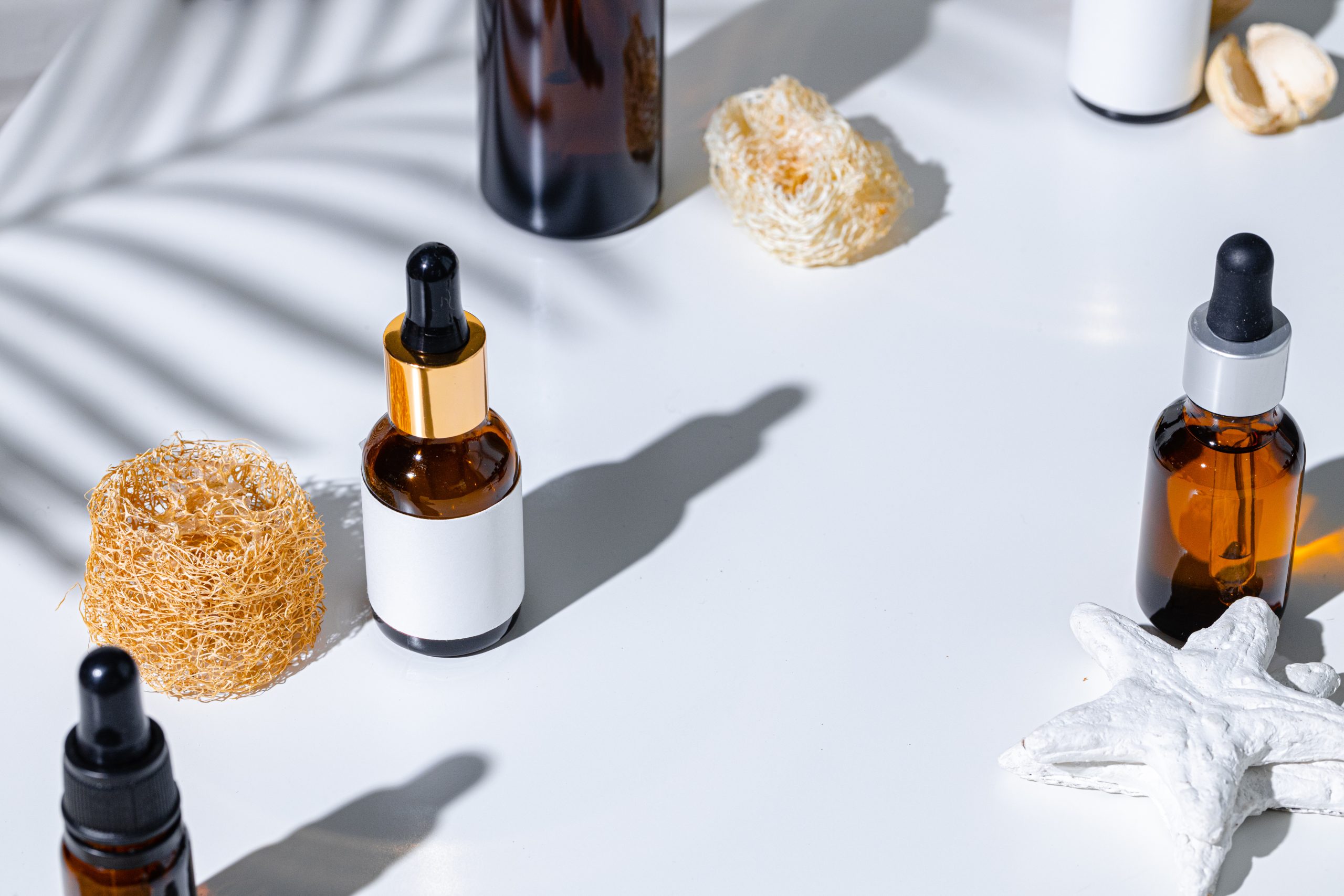
Photography That Converts: How to Make Your Product Look Like It’s Already Selling Out
Photography That Converts: How to Make Your Product Look Like It’s Already Selling Out
You’ve probably heard that “content is king,” but here’s a hot take: product photography is your silent salesperson.
Before your product is touched, used, or added to cart, it’s seen. And in ecommerce, a single photo can be the difference between a scroll-past and a sale. It’s not just about looking good—it’s about feeling shoppable.
We’re way past the era of plain white backgrounds and pixel-perfect flat lays. In 2025, the best product photos do three things:
- Stop the scroll
- Communicate value instantly
- Make people imagine owning it
Here’s how to build photo assets that actually move product—not just sit on your homepage.
Start with “the moment” in mind
Most brands shoot products in isolation. It’s clean, safe, and easy. But the photos that convert show your product in real moments—in use, in context, in someone’s hands.
Ask yourself:
- When is my product used?
- What emotion does it create?
- What does that moment look like?
If you sell protein bars, don’t just shoot the bar—shoot someone eating it in the car between meetings. If you sell skincare, don’t just photograph the bottle—show someone applying it in soft bathroom light.
The goal is to trigger imagination. “That could be me.”
Mix formats: every shot has a job
You don’t need 100 images—you need the right mix that tells a full visual story.
Here’s your base shot list:
- Hero shot: Your best-selling product styled clean, bold, centered
- In-use lifestyle shot: Realistic scenario with hands, expressions, props
- Ingredient/details shot: Close-ups of textures, features, labels
- Group shot: Show the product line or bundles together
- Scale shot: Help people understand size (e.g. in hand, next to a known item)
- Movement shot: Pouring, spraying, opening—brings energy to stillness
- UGC feel shot: Slightly raw, natural lighting, handheld style
Each type hits a different conversion point: attention, trust, or clarity.
You don’t need a full shoot—just a plan
Tight budget? No problem. You can get conversion-worthy images with:
- A phone + window light
- Basic foam board or textured paper for backdrop
- 1–2 props that feel brand-right
- A friend or team member as a hand model
What matters more than gear is intent. Shoot with these questions in mind:
- What do I want the customer to feel when they see this?
- Is it clear what the product does and who it’s for?
- Could this stop someone mid-scroll?
Don’t wait for the perfect setup. Build a repeatable one.
Optimize your shots for every use case
Photos aren’t just for the PDP (product detail page). You need assets that:
- Work for paid ads (tight crops, punchy visuals, scroll-stopping)
- Show up well on mobile (clear, bright, uncluttered)
- Fit your brand vibe across touchpoints (email, SMS, packaging, etc.)
- Play nicely with UGC and short-form video (same lighting/look = cohesion)
Before you shoot, decide where each image will live. That prevents waste and builds consistency.
Your images are your brand
People might not read your product description. They might skip your reviews. But they will see your photos—and decide, in under 3 seconds, whether you’re premium, cheap, reliable, cool, or forgettable.
Visual language speaks before words do.
The brands that look like they’re winning? Most of the time, it’s because their visuals told that story first. And the customer believed it.
Great photography doesn’t need a studio—it needs a story.
Know what your product represents. Know what your audience cares about. Then shoot images that show that without saying a word.
That’s how you make people stop scrolling—and start clicking.


Reels That Actually Build Trust: A Playbook for Founders Who Hate Filming
Reels That Actually Build Trust: A Playbook for Founders Who Hate Filming
Let’s be honest—most founders aren’t trying to be creators. You started a brand, not a vlog. You didn’t sign up to dance on camera, point at text bubbles, or post 12 times a week. But in 2025, the truth is simple: if you’re not showing up on video, you’re losing attention to brands that are.
And no, you don’t need to be flashy, funny, or overly produced. You just need to be believable. Because short-form video isn’t about going viral anymore—it’s about showing your face, your process, and your values in a way that builds trust. That trust? It sells more than any ad.
This is how to show up on Reels as a founder—even if you hate being on camera.
Start with belief, not performance
Forget about algorithms, trending sounds, or trying to act like a creator. You’re not here to perform—you’re here to connect.
Start by asking:
- What do I believe that my customers need to hear?
- What am I building that they don’t see yet?
- What’s the real reason I started this?
If you can answer those out loud, you’ve got your first few Reels. Don’t write a script. Just hit record and talk like you would to a friend. That rawness? It’s what cuts through.
Founders who speak with clarity win—even when the lighting’s not perfect.
5 Reel formats that build trust (and sales)
You don’t need to invent something new every time. Reuse proven formats and put your own voice into them.
- “The Why” video
“Here’s why I built this brand…”
Share the pain point, your frustration, and the shift you’re trying to create. - “Here’s what I wish people knew”
Address a common misconception in your space. Be bold. Take a stand. - “A customer asked me this…”
Answer real questions you’ve gotten. Use it as social proof + education. - “A day in the business”
Behind-the-scenes. Product fulfillment. A supplier call. The real stuff. - “3 things I’ve learned”
Reflect on the journey. Be honest. People trust founders who show the mess, not just the highlight reel.
The best-performing founder Reels aren’t fancy—they’re felt.
Don’t batch content—batch confidence
Here’s the trap most founders fall into: they try to film 10 videos in one day, get overwhelmed, and give up. Instead, build a system that works with your energy.
Try this:
- Pick 1 day a week to shoot
- Film 2–3 videos, no editing required
- Post them raw, or with minimal captioning
- Use tools like Captions or Descript to add subtitles in 2 minutes
- Move on
Over time, you’ll stop hating the camera—and start owning it.
What actually matters (and what doesn’t)
What matters:
- Message clarity
- Tone of voice
- Eye contact
- Posting consistently
What doesn’t:
- Fancy gear
- Perfect lighting
- Matching the trend
- “Crushing it” energy every time
Some of the highest-converting Reels we’ve seen from founders were filmed on the floor, in a hoodie, just speaking the truth. That’s what your audience wants.
Founder content isn’t optional anymore—it’s the brand
When you show up on video, you collapse the distance between you and your customer. They don’t just buy from a store—they buy from a person. Someone they like. Someone they trust.
You don’t need to be charismatic. You need to be clear, consistent, and real.
Because people don’t trust brands.
They trust founders who talk to them like humans.
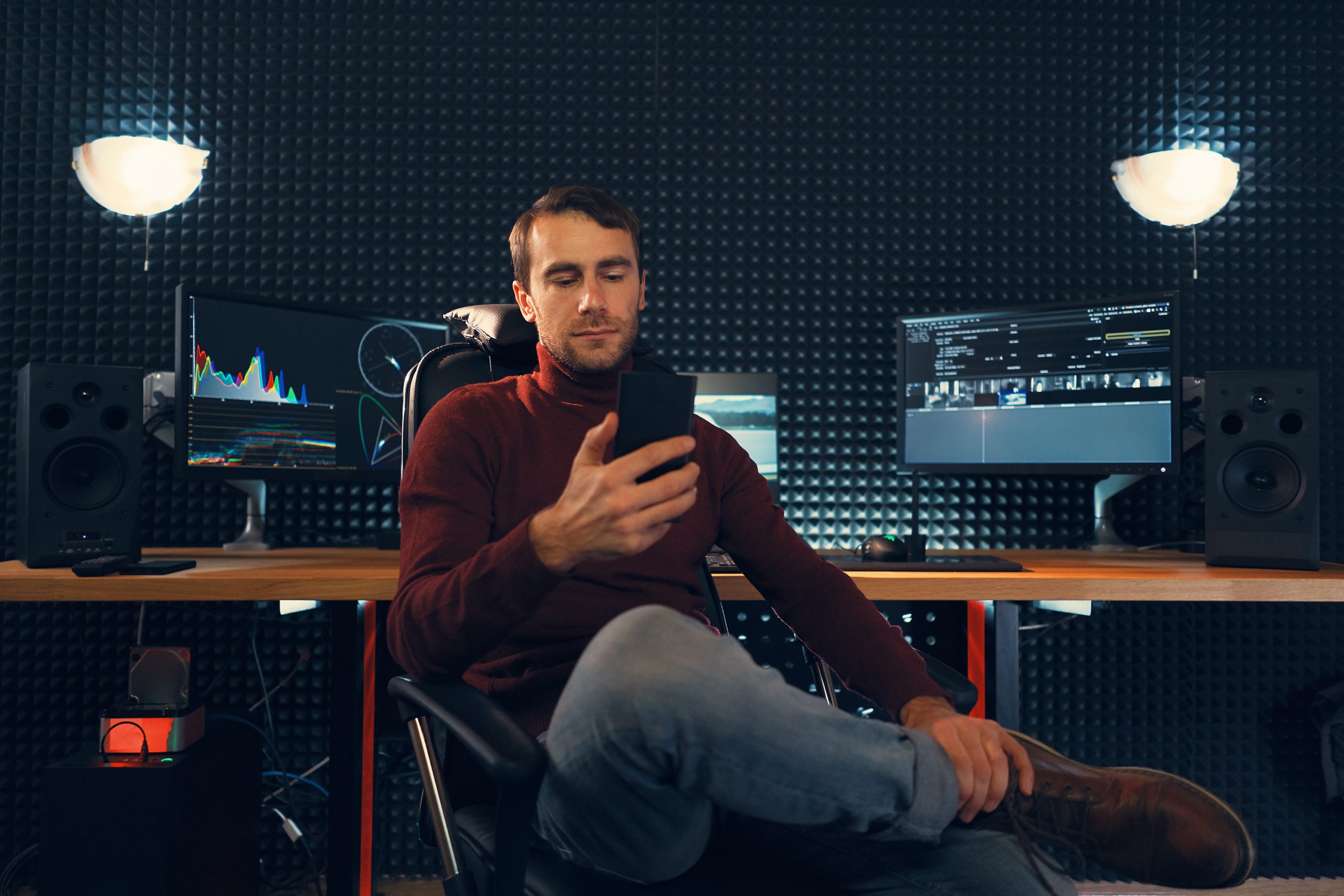
9:16 vs 16:9: Which Format Wins in 2025?
9:16 vs 16:9: Which Format Wins in 2025?
If your brand still treats vertical video as an afterthought, you’re missing where the culture is already living. There’s a reason TikTok has dominated attention spans, Reels became Instagram’s default format, and YouTube Shorts exploded overnight. The traditional 16:9 landscape format still has its place, especially in high-production storytelling and long-form YouTube, but the shift toward 9:16 is no longer a trend—it’s the new standard for attention in the mobile-first world.
Let’s unpack what makes each format powerful, when to use them, and how to structure your content strategy in 2025 so you’re not just creating—you’re converting.
The Rise of 9:16 — Why Vertical Rules Mobile
Open your phone. Scroll Instagram. Scroll TikTok. Scroll YouTube. What you’re consuming is vertical content that feels native, fast, raw, and—most importantly—personal. The 9:16 format dominates not because it's more cinematic or more flexible (it's not), but because it's frictionless. You don’t need to rotate your device. You don’t need to pause and focus. It meets people where they are—literally, in the palm of their hand.
Beyond convenience, vertical video benefits from platform bias. TikTok, Reels, and Shorts are prioritizing it algorithmically. Creators and brands producing in 9:16 have better reach, better engagement, and more discoverability. Brands still clinging to 16:9 for all content are effectively whispering in a room where everyone else is shouting—and getting heard.
That said, vertical is not a blanket solution for everything. It’s phenomenal for short-form hooks, brand teasers, social proof snippets, and user-generated content. But not all brand stories can be told in 30 seconds. That’s where horizontal still matters.
When 16:9 Still Wins — And Why You Shouldn’t Abandon It
The 16:9 format is far from dead. It’s just become more specialized. Think of it like this: 9:16 is for the hallway conversations. 16:9 is for the main stage.
When you're telling a deeper brand story, shooting a founder documentary, demoing a product in long form, or educating your audience in 5+ minute videos, landscape video creates space for narrative. It feels professional. It signals production value. It performs well on platforms that still prioritize traditional formats like YouTube, embedded video players on websites, or B2B-style content libraries.
Where vertical is reactive and punchy, horizontal is considered and immersive. That distinction matters.
But the biggest mistake brands make? Treating the two as opposing options. They’re not. They’re tools—and smart brands use both intentionally.
The Strategy Is in the Stack—Not the Format
Here’s where most content teams miss the opportunity: they treat video creation as a linear process instead of a layered one. In 2025, the smartest brands are building content stacks—starting with one anchor shoot and extracting both vertical and horizontal assets from the same footage.
Let’s say you record a 20-minute behind-the-scenes video with your founder explaining the “why” behind your product. In 16:9, that becomes a branded video on YouTube and your website. But inside that footage are 5–10 moments that can be repurposed as 9:16 vertical clips—pulled quotes, funny moments, sharp insights, product demos. Now you’re feeding multiple platforms without needing entirely new shoots. That’s leverage.
Instead of asking, “Should we shoot vertical or horizontal?”, the better question is, “What’s the core story we’re telling, and how do we adapt it to each format?”
How to Structure Your Content Plan Around Both
In practice, here’s how we structure this for brands inside Youngry:
- Weekly Short-Form (9:16):
3–5 vertical clips per week, filmed or repurposed from larger shoots. These live on TikTok, Instagram Reels, YouTube Shorts, and even email/SMS. - Monthly Long-Form (16:9):
1–2 pieces of deeper content. Could be educational, founder-led, narrative-driven, or product walkthroughs. This is what goes on your YouTube channel and becomes blog/video embeds on your site. - Quarterly Studio Days:
Full-day production sessions that capture both formats from the jump. With the right planning, one shoot can fuel 30+ content assets across channels.
By using this cadence, you ensure that your brand doesn’t just have “content”—it has content that makes sense in the context it’s consumed.
The Bottom Line
This isn’t a 9:16 vs. 16:9 debate. It’s a “how do you speak to your customer where they are right now?” conversation.
Vertical is your daily conversation. Horizontal is your keynote. One grabs attention, the other builds depth. Both matter.
The winning brands in 2025 are fluent in both formats—and strategic in how they use each one to pull people deeper into the funnel.
Don’t choose a side. Choose to communicate better.

Why Every Ecommerce Brand Needs a Studio Setup (Even a Basic One)
Why Every Ecommerce Brand Needs a Studio Setup (Even a Basic One)
It used to be that building an ecommerce brand meant designing packaging, finding a 3PL, and setting up a Shopify store. Today? That’s just the backend. What actually drives sales—the front end—is content. And content starts with a studio.
Not a massive, 8-light setup with a RED camera crew. Just a small, intentional space where you can consistently film the kind of videos that move product: UGC-style reels, product demos, unboxings, founder messages, and behind-the-scenes moments.
The brands winning right now don’t just “create content”—they produce at scale. They treat video the same way they treat inventory: essential, repeatable, and worth investing in.
Here’s why building your own studio setup—no matter how simple—is one of the smartest moves an ecommerce brand can make in 2025.
Your content is your store. And your store never sleeps.
Most people won’t walk into a retail space to discover your product—they’ll see it on their feed. Which means your videos, photos, and stories are doing the heavy lifting your in-store team used to do.
If your last video was from a photoshoot 8 months ago, and your newest post is a flat lay, you’re not in the game. You’re fading into the background while competitors post 4x/week with high-converting UGC and creator clips.
A studio setup isn’t about going “pro.” It’s about going consistent. It gives you the power to create whenever you want—without waiting on freelancers, agency timelines, or seasonal shoots.
What a simple, effective studio looks like
You don’t need a 1,000 sq ft warehouse to make content that converts. You need:
- Good lighting: A window with indirect sunlight + a $40 ring light is enough to start
- Phone tripod: Hands-free = more freedom = better shots
- Backdrops: Neutral walls, colored paper rolls, or even wood tables give variety
- Mic or lavalier: For any talking head content, crisp audio matters
- Space to move: A 5x5 area is enough for most solo or product content
Add a rolling cart for props, some plants for texture, and boom—you’ve got a set you can reset in 10 minutes.
The key isn’t how big or expensive your setup is. It’s how repeatable it is.
5 types of videos you should be filming in your own space
Here’s what to prioritize once your studio’s up:
- Product demos
Show the texture, motion, and real-life use of your product. Think pouring, mixing, applying, opening—whatever makes it tangible. - UGC-style content
Even if it’s you or your team, film content as if it were from a real customer. Natural light, informal tone, no scripts. “I’ve been using this for 3 weeks…” style hits every time. - Founder/founder team clips
Get on camera. Talk to your customers. Launches, restocks, BTS—it doesn’t need to be polished, just real. - FAQs turned into short-form
Turn your most common support questions into Instagram Reels or TikToks. “What makes this different?” → show them. - Reviews brought to life
Take real customer reviews and voice them over product footage. Or react to them on camera. This builds trust faster than text alone.
This kind of content builds credibility, drives conversions, and feeds all your paid + organic channels.
If you're not producing content, you're playing defense
The truth is, in today’s ecommerce landscape, content isn’t a nice-to-have—it’s a growth lever. And if you’re always waiting on a production partner or creator campaign, you’re operating on a delay.
Owning your own production flow gives you:
- Speed: Launch same-day when trends or sales shift
- Agility: Test new angles, formats, or hooks fast
- Volume: More pieces of content = more chances to win
- Control: You don’t have to explain your product—you live it
You don’t need to go full production studio to compete. You just need a setup that removes friction from creating.
Build the space now—thank yourself every week after
A simple, dedicated studio setup means you never have to ask, “Where do we shoot this?” again. It becomes part of your process. Film every Monday. Shoot batch content once a month. Bring new products in for test videos before launch.
This isn’t about becoming a production house. It’s about treating content like inventory: always stocked, always fresh, always moving.
Because in 2025, the brands that show up on video are the brands that stay top of mind—and top of cart.

How to Run a Content Day Like a Pro (and Milk It for a Month)
How to Run a Content Day Like a Pro (and Milk It for a Month)
Most brands shoot content like they post—randomly. A reel here, a behind-the-scenes story there, and maybe a product photo if someone remembers to bring a decent phone. That’s not a content strategy. That’s content survival.
A real content day isn’t about just capturing footage—it’s about building a system that lets you walk away with an entire month of scroll-stopping assets from a single production session. It saves time. It saves budget. And most importantly, it makes sure your brand actually shows up consistently.
Here’s how to plan, shoot, and extract the most value from your next content day like the pros do inside Youngry's Flexwork Studios.
What is a content day—and why does your brand need one?
A content day is a structured shoot with a single goal: to batch-create high-quality visual content for multiple platforms at once. Instead of producing one video or photo per session, you’re walking away with dozens of assets—videos, photos, snippets, carousels, BTS, testimonials, and more.
Why it works:
- Saves your team 10–20 hours of scattered content production per month
- Helps you build a library of evergreen assets
- Eliminates the “what do we post this week?” panic
- Improves visual consistency and storytelling cohesion
For brands operating in fast-moving categories—like CPG, wellness, beauty, retail, or ecommerce—this model isn’t optional. It’s how you stay relevant without burning out your team or your audience.
How to plan a content day that actually delivers
The worst thing you can do is show up to a content day with “we’ll figure it out once we’re there.” You won’t. You’ll waste money, energy, and camera time. The difference between a decent shoot and a content goldmine is prep.
Start with a clear outcome
Before booking the studio or picking the camera, ask: What do we need content for over the next 30 days?
Break this down by:
- Platforms (Instagram, TikTok, YouTube, Email, Website)
- Content types (product demo, storytelling, education, customer proof)
- Funnel stages (awareness, consideration, conversion)
Then map out the content structure:
- 3 hero reels (30–60 sec high-quality vertical videos)
- 4–6 testimonial snippets
- 6+ vertical short clips
- 10–12 product photos
- 3 BTS moments
- 1 brand founder/director talking head
Reverse-engineer the shoot around that content map.
Create a shot list that’s more strategic than aesthetic
Your shot list shouldn’t just say “take some product photos” or “get a cool shot of the founder.” It should be specific, functional, and mapped to use cases.
Instead of this:
- “Photo of product on table”
Use this:
- “Flat lay of product + 2 lifestyle props for Instagram carousel”
- “Short clip of founder explaining what makes the formula unique (for landing page + ad copy)”
- “Vertical video of customer unboxing experience (for TikTok ad)”
- “Behind-the-scenes B-roll of photographer setting up scene (for Reels & stories)”
You’re not capturing random content. You’re building assets with purpose.
Assemble the right team (and brief them early)
Even a lean shoot needs key players who know the plan. This includes:
- A creative director or strategist
- Photographer and/or videographer
- Producer or production assistant
- Your founder, team, or talent
- Someone managing logistics on the ground
Send everyone the shot list, goals, and schedule at least 3–5 days before the shoot. Clarity before day one is everything.
On shoot day: Own the flow like a producer
Show up early. Check your lighting, gear, and wardrobe. Stick to your schedule but allow 15–20% flex time for creativity or things running late.
Key tips for maximizing the day:
- Start with the content that requires people (testimonials, founder shots) before energy drops
- Batch product shots in sets: same lighting, same setup, just switch props
- Film vertical and horizontal simultaneously when possible
- Capture every “in-between” moment—those often make the best content for Reels
- Use a separate device to grab BTS stories and team moments for same-day social use
Don’t waste transition time. While one setup resets, capture something else in parallel.
After the shoot: Organize and repurpose like a media company
This is where most brands drop the ball. They shoot amazing content… then sit on raw footage for weeks. You need a post-shoot pipeline.
Here’s what to do immediately:
- Organize all footage by content type
- Upload into cloud storage with labels and notes
- Hand off to your editor with clear cuts: short-form, long-form, ad-ready, etc.
- Pull selects for immediate social deployment
- Schedule the first two weeks of posts within 48 hours
And most importantly—track performance. Use each content drop as a test. What’s working? What’s engaging? What’s converting?
Use that feedback loop to guide your next content day.
The content day mindset
Running a content day like a pro isn’t just about squeezing more out of one shoot. It’s about thinking like a brand that creates, not scrambles. It’s the difference between reactive marketing and intentional storytelling. When you plan it right, a single content day can fuel your brand’s entire presence for a month—sometimes more.
That’s how you stay consistent. That’s how you stay seen. And that’s how you create content that actually does what it’s supposed to do: move people to action.