

Why You Need Vertical Video in Your Brand Playbook
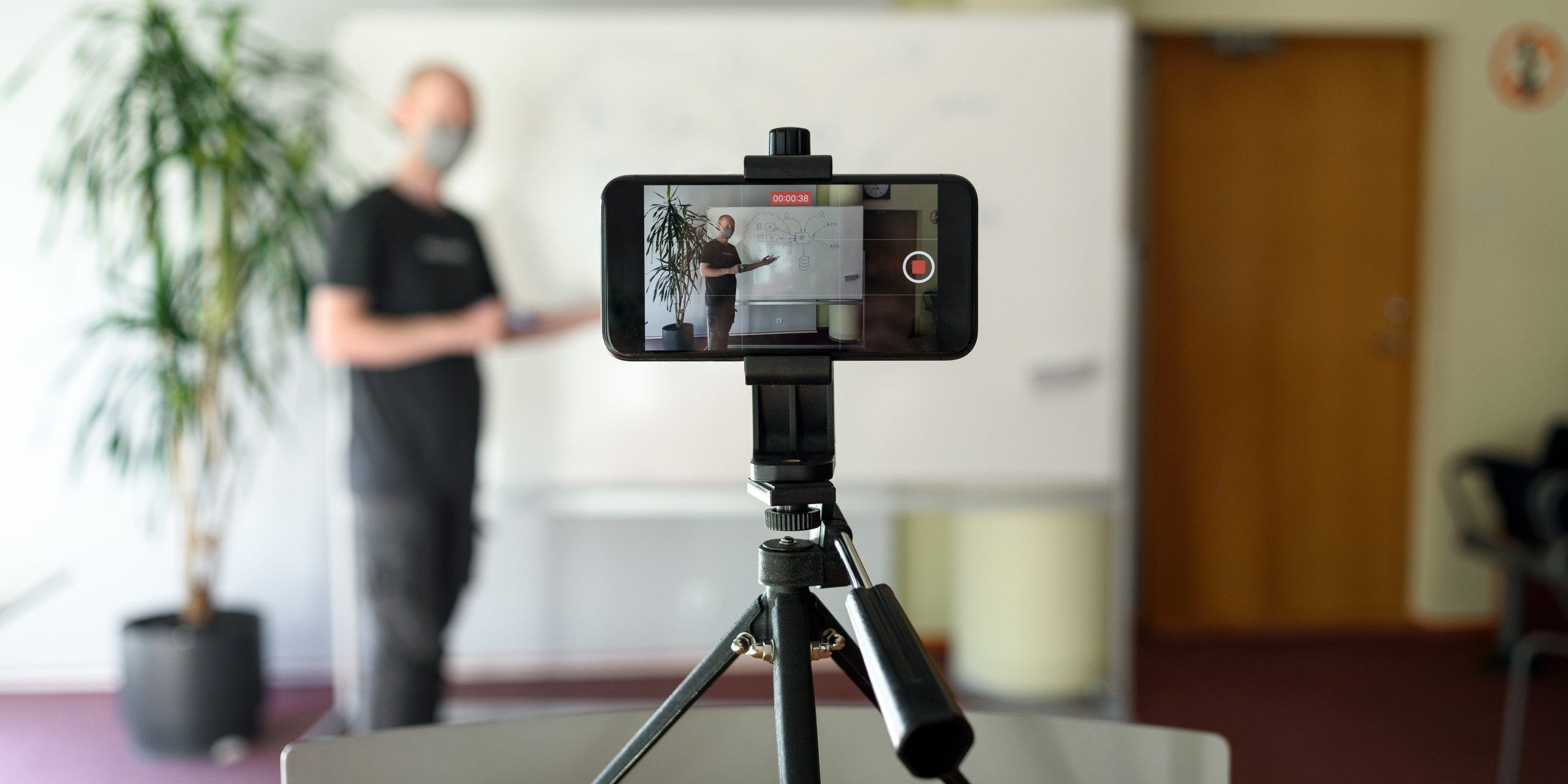
There’s no debate anymore—vertical video isn’t optional, it’s essential. What started as a format trend on Snapchat and TikTok has now become the dominant way people consume content. Instagram Reels, YouTube Shorts, even Pinterest and LinkedIn now prioritize vertical formats. Why? Because that’s how we hold our phones. That’s how we scroll. And that’s where your audience is paying attention.
But here’s the real kicker: vertical video isn’t just a formatting change. It’s a shift in storytelling, pacing, and performance. Brands that fail to adjust aren’t just missing engagement—they’re missing relevance.
Let’s unpack why vertical video matters so much right now, what it does differently, and how to actually use it to drive brand growth.
Vertical video isn’t just native—it’s dominant
The average person watches mobile content in vertical orientation over 90% of the time. That alone should make this a no-brainer. But it’s not just about the screen—it’s about algorithmic preference. Platforms like TikTok and Instagram don’t just accept vertical video, they prioritize it.
Even more: vertical video drives higher watch time, more shares, and faster feedback loops than horizontal content. It fills the screen, creates intimacy, and breaks the polished ad fatigue people have developed over the last decade.
When a user swipes into your video, and it feels native—unforced, vertical, direct-to-camera—they’re more likely to stay. When your video is horizontal or overly branded, they scroll past it like an ad they didn’t ask for.
What vertical video does differently
Vertical video forces clarity. You only have one focal point. You only have a few seconds. You only have a small window to earn attention.
This is a blessing in disguise. It pushes your brand to:
- Lead with the hook
- Simplify the message
- Show instead of explain
- Use faces, motion, and emotion more effectively
A strong vertical video isn’t just “good creative.” It’s a micro-story. It’s a 9:16 billboard in motion.
Likewise, it can be as simple as:
- A customer holding your product and saying why they love it
- A founder explaining one powerful benefit
- A behind-the-scenes clip that breaks the fourth wall
- A bold on-screen question that stops the scroll
Don’t overthink the production. Think in moments, not in minutes.
The algorithm loves vertical—but the funnel still matters
Here’s where most brands go wrong: they think vertical video is about going viral. That’s a side effect—not a strategy.
The real play is to use vertical video to support your entire marketing funnel.
Top-of-funnel: hook-based videos that grab attention with relatability or curiosity
Mid-funnel: benefit breakdowns, customer reviews, product use demos
Bottom-of-funnel: objection handling, urgency-driven offers, testimonials with punch
Each one of these can be filmed vertically, edited fast, and deployed across channels—from TikTok and Reels to SMS and landing pages.
You’re not just chasing attention. You’re building momentum.
A vertical-first mindset changes your content game
When you start thinking vertical-first, everything gets simpler.
- You plan content around real people, not perfect sets
- You prioritize ideas over polish
- You multiply outputs from single shoots
- You adapt to how your audience actually consumes, not how you prefer to create
It’s a shift in posture—from corporate marketing to conversation. From campaign to communication.
And when your brand starts showing up this way—more often, more casually, more natively—you start to win attention organically and consistently.
Vertical isn’t a trend. It’s the standard.
Still thinking of vertical video as “something extra” for social? That mindset is a liability now. This isn’t a trend. It’s how content works. It’s how discovery happens. And it’s where your customer is already spending their time.
You can keep investing in long-form landscape content that no one sees, or you can start showing up where your audience already is—with the stories that fit their screen, pace, and expectation.
The brands that win aren’t the ones with the best production budget. They’re the ones that adapt faster, speak clearer, and show up consistently in the right format.